Semi Truck Accident Causes, Prevention, and Legal Rights
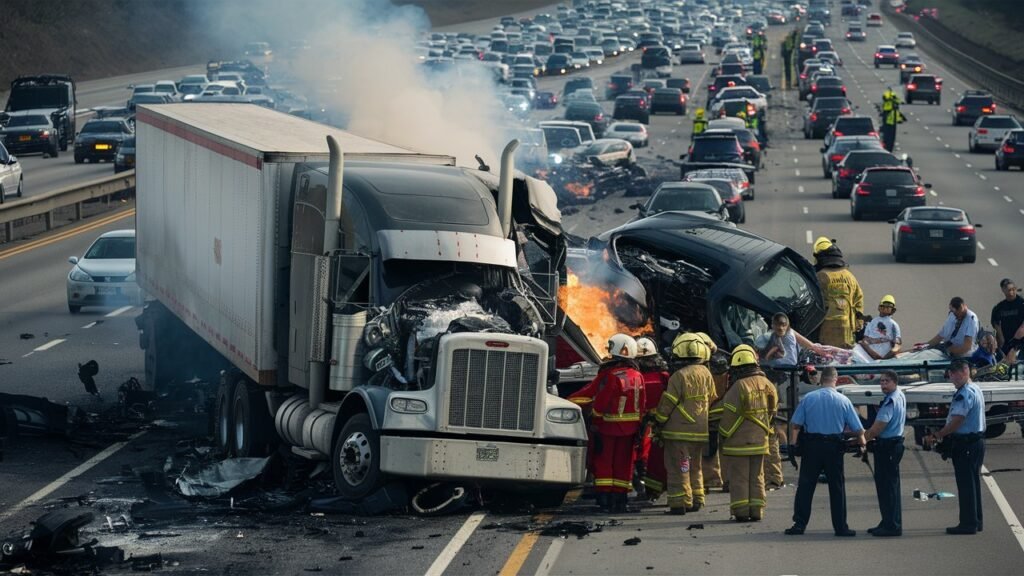
Image labeled as evidence. Source documented in article.
Semi truck accidents remain one of the most serious safety concerns on American highways, often resulting in catastrophic injuries due to the sheer size and weight of commercial vehicles. A fully loaded 18-wheeler can weigh up to 80,000 pounds, compared to the average passenger car at roughly 4,000 pounds. Readers exploring semi truck accident will also find context in Paige Bueckers Brother: What We Know About Her Siblings
How Federal Regulations Shape Commercial Trucking Safety
The Federal Motor Carrier Safety Administration sets strict rules for commercial drivers and carriers. These include hours-of-service limits, which cap driving time at 11 hours within a 14-hour window after 10 consecutive hours off duty. Carriers must also maintain detailed records and conduct regular vehicle inspections. wikipedia.org/wiki/Tow_truck” rel=”noopener noreferrer” target=”_blank”>Tow truck
Despite these regulations, enforcement gaps persist. The National Transportation Safety Board has repeatedly highlighted oversight shortcomings in its investigations. Driver fatigue, mechanical failures, and inadequate maintenance continue contributing factors in serious crashes across the country.
Common Causes Behind Serious Semi Truck Crashes
Investigations into a semi truck accident frequently reveal multiple contributing factors rather than a single cause. Driver fatigue ranks among the most prevalent, particularly on long-haul routes where tight delivery schedules pressure operators to push beyond safe limits. Distracted driving, including phone use and in-cab distractions, also plays a significant role. newsbreak.com/trending/top/Semi-Truck-Accidents” rel=”noopener noreferrer nofollow” target=”_blank”>The latest Semi Truck Accidents news, videos & comments | NewsBreak
Mechanical failures present another major concern. Brake defects, tire blowouts, and steering system malfunctions can turn a routine trip into a life-threatening event. Weather conditions compound these risks, as high winds and wet roads reduce the stability of tall, heavy vehicles. Improperly secured cargo shifting during transit has also led to jackknife incidents and rollovers on major interstates.
What Investigations Reveal and What Remains Unclear
After a serious crash, federal investigators examine electronic logging devices, black box data, driver records, and vehicle maintenance logs. These tools help establish timelines and identify regulatory violations. In many cases, investigators find that carriers failed to properly vet drivers or maintain equipment according to federal standards.
Determining exact driver behavior in the moments before impact often relies on circumstantial evidence. Weather-related factors can obscure whether speed or road conditions were the primary cause. Legal proceedings may take years before full accountability is established, leaving families without clear answers during that time.
Why Stronger Enforcement and Awareness Matter for All Drivers
The economic cost of commercial vehicle crashes runs into billions annually, according to federal transportation data. Beyond financial impact, communities along major freight corridors face disproportionate risk. Advocacy groups have pushed for mandatory underrun guards, speed limiters, and improved driver training standards.
Individual drivers can reduce risk by maintaining safe following distances, avoiding truck blind spots, and never cutting in front of a slowing semi. Public awareness and continued regulatory pressure remain essential for reducing preventable tragedies on shared roadways.
Frequently Asked Questions
What should I do immediately after a semi truck accident?
Move to a safe location if possible and call 911 immediately. Exchange information with the truck driver and obtain the carrier’s name and insurance details. Seek medical attention even if injuries seem minor, as some symptoms appear hours or days later.
Who is liable in a semi truck crash?
Liability can extend beyond the driver to include the trucking company, cargo loaders, vehicle manufacturers, or maintenance providers. Each party may bear responsibility depending on the circumstances. An experienced attorney can review driver logs, maintenance records, and inspection reports to determine which parties failed to meet their legal obligations.
How common are fatal semi truck accidents?
Thousands of people are killed annually in crashes involving large trucks and buses, according to data from the National Highway Traffic Safety Administration. A significant portion of these fatalities are occupants of passenger vehicles. The disparity in size and weight between trucks and cars makes these collisions particularly deadly for smaller vehicle occupants.
Can weather conditions make a semi truck accident more likely?
Yes, rain, snow, ice, and high winds significantly increase crash risk for commercial vehicles. Tall profiles make trucks vulnerable to crosswinds, while wet or icy roads extend stopping distances dramatically. Federal regulations require drivers to reduce speed or stop when conditions become hazardous, though not all operators comply with these safety protocols.
How long do I have to file a claim after a truck crash?
Statutes of limitations vary by state, typically ranging from one to three years for personal injury claims. Wrongful death claims may have different deadlines depending on jurisdiction. Consulting an attorney promptly after the incident helps preserve critical evidence, including electronic logging data that carriers may only be required to retain for a limited period.