Amish Women: Roles, Traditions, and Daily Life Explained
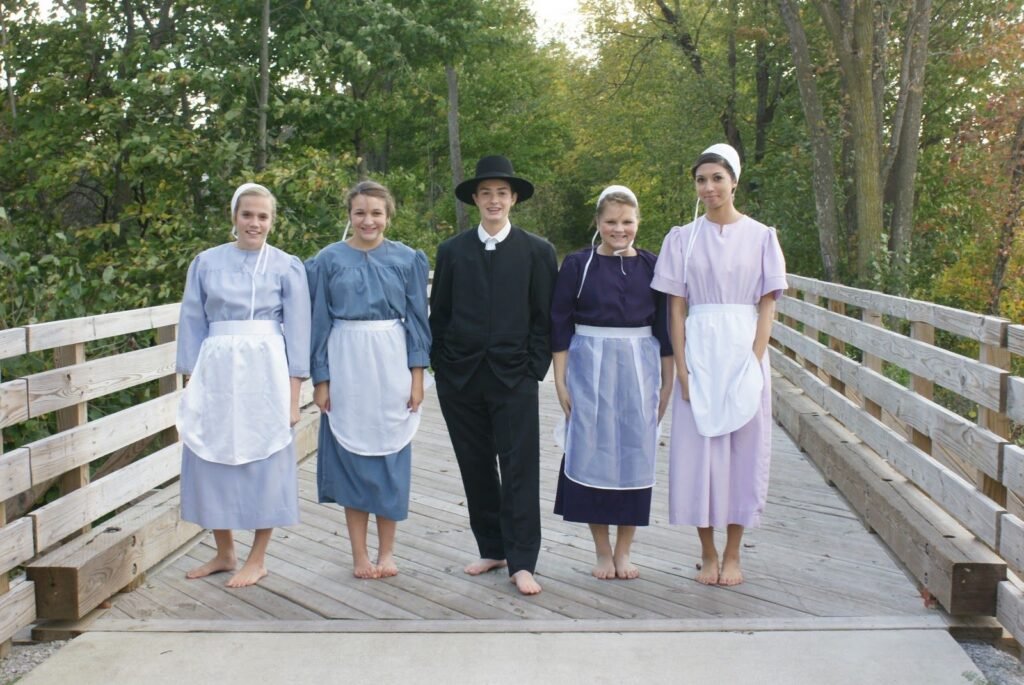
Image labeled as evidence. Source documented in article.
What roles do amish women hold within their communities? Amish women typically manage household duties, raise children, and support church-centered family structures while adhering to Ordnung guidelines that govern daily conduct. Readers exploring amish women will also find context in Barbara Weaver: Career, Roles, and Public Record
How Amish Women Manage Daily Life and Household Duties
Amish women typically rise before dawn to begin food preparation, cleaning, and organizing the home. Many oversee large gardens that supply vegetables for canning and preserving through winter months. Laundry is done without electric machines in most Old Order communities, using hand-cranked wringers or propane-powered appliances. Women often coordinate meal preparation for families that frequently include six or more children. Baking bread, churning butter, and preparing communal meals for church gatherings occupy significant portions of their weekly routines. Some women also manage egg production from family poultry operations, selling surplus at roadside stands or local markets. The household economy depends heavily on a woman’s ability to stretch resources and minimize purchased goods. wikipedia.org/wiki/Amish” rel=”noopener noreferrer” target=”_blank”>Amish
How Amish Women’s Roles Shape Community and Family Structures
Amish women serve as primary educators for young children before they enter formal schooling. They teach basic reading, arithmetic, and moral instruction rooted in Anabaptist theology. During church services, women sit separately from men and participate in hymn singing without instrumental accompaniment. Women organize quilting bees, sewing circles, and fundraising events that strengthen social bonds across districts. These gatherings often raise money for disaster relief through organizations like the Amish Aid Society. The mutual aid system relies on women’s coordination of meal trains, childcare assistance, and care for elderly or ill neighbors. Their influence extends through informal networks rather than formal leadership positions within church governance.
Recent Shifts in Amish Women’s Economic Participation
Some amish women have expanded home-based businesses beyond traditional farm products. Quilt-making has become a notable source of income, with pieces selling to collectors and tourists in Lancaster County, Pennsylvania, and Holmes County, Ohio. Small bakeries operated from home kitchens supply local stores and restaurants with pies, breads, and whoopie pies. A growing number of women operate fabric shops, herbal remedy businesses, or craft stores catering to the tourist economy. These enterprises typically operate within community guidelines, avoiding excessive profit-seeking or individual display. The balance between economic necessity and traditional values continues to evolve as land costs rise and farming becomes less viable for young families. org/amish-women/” rel=”noopener noreferrer nofollow” target=”_blank”>Amish Women – Amish Heritage
Regional Differences in Amish Women’s Experiences Across Settlements
Amish women’s daily experiences vary significantly between settlements in Pennsylvania, Ohio, Indiana, and Wisconsin. Lancaster County amish women often interact regularly with English tourists, requiring navigation between community separation and economic engagement. In more isolated settlements in Wisconsin or Maine, women may have minimal contact with outside society beyond necessary supply trips. Dress standards differ by affiliation, with some groups requiring cape dresses and others permitting slightly fitted garments. The Swartzentruber Amish maintain stricter standards regarding fabric colors and patterns compared to New Order groups. Women in more progressive settlements may have access to telephones in shared community shanties, while conservative groups prohibit phone ownership entirely. These regional variations reflect the decentralized nature of Amish church organization, where each district sets its own rules.
Frequently Asked Questions
When did amish women first establish their traditional domestic roles?
The domestic roles of amish women trace back to the Anabaptist movement of the 16th century in Europe. These patterns solidified during the 18th century when Amish communities settled in Pennsylvania. The emphasis on separation from worldly society reinforced distinct gender divisions that persist in many communities today.
How many amish women live in the United States today?
Exact counts of amish women are difficult to establish because the U.S. Census does not track religious affiliation. Estimates suggest the total Amish population exceeds 350,000 across multiple states. Women likely represent roughly half this figure, though birth rates and community growth make precise numbers unavailable.
How does the daily life of amish women differ from that of mennonite women?
Amish women typically avoid electricity, automobiles, and modern clothing, while many mennonite women use these conveniences. Mennonite women may pursue higher education and professional careers more frequently. Both groups value modesty and family, but amish communities generally enforce stricter separation from mainstream society.
Where was the largest amish settlement where women’s roles are well-documented?
The Lancaster County settlement in southeastern Pennsylvania is the oldest and most studied Amish community in the United States. Founded in the early 1700s, it remains one of the largest concentrations of Amish families.
Are amish women still expected to wear traditional dress in all communities?
Yes, amish women across all affiliations continue wearing modest, solid-colored dresses with head coverings. Specific styles, fabric choices, and bonnet designs vary by settlement and affiliation. This practice remains a visible marker of community identity and religious commitment regardless of location.