Sachia Vickery Nude: What Is Actually Known and What Is Not
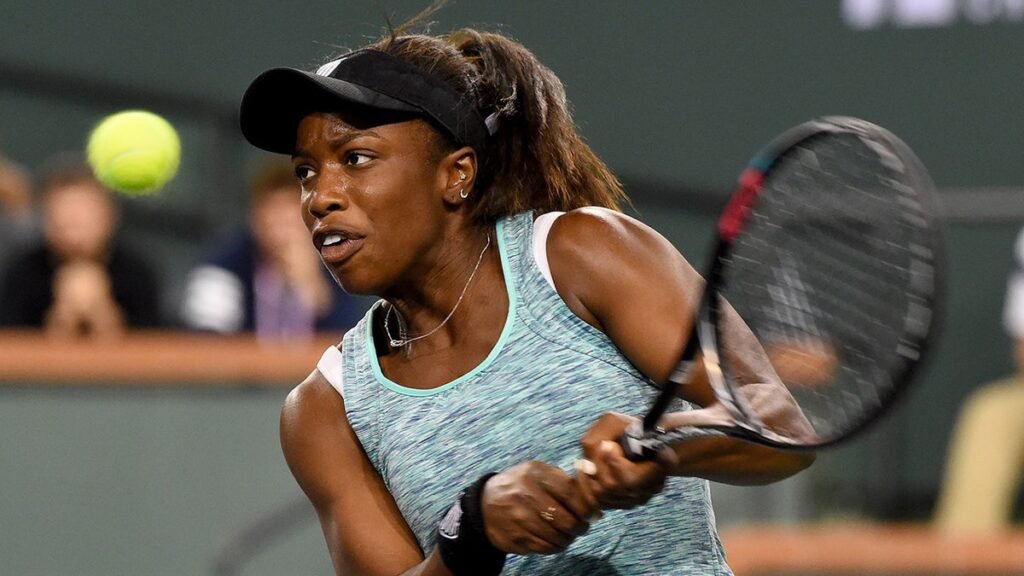
Image labeled as evidence. Source documented in article.
Sachia Vickery is an American professional tennis player who has competed on the WTA Tour since the mid-2010s.
How Online Searches for Athlete Content Spread and Why Verification Matters
This pattern affects athletes across many sports, not just tennis. Sachia vickery nude search results frequently lead to aggregator sites that host user-submitted content of questionable origin. These platforms rarely verify whether the person depicted has consented to distribution. Digital media experts note that such content can cause lasting reputational harm regardless of whether it is authentic. Several organizations, including the Women’s Tennis Association, have publicly supported stronger protections for athletes’ digital privacy. The lack of consistent platform moderation means that once content circulates, removal becomes extremely difficult. A reference profile of the subject is maintained on Sachia Vickery Nude OnlyFans Leaks – Photo #23290979 – Fapopedia
Sachia Vickery’s Tennis Career and Public Profile
Sachia Vickery was born in Florida and turned professional after a standout junior career. She won the 2012 USTA Girls’ 18s National Championship, which earned her a wildcard into the 2013 US Open main draw. At that tournament, she reached the second round, marking her first notable Grand Slam result. Vickery has represented the United States in Fed Cup competition and has been ranked inside the WTA top 100. Beyond her on-court achievements, Vickery has maintained a relatively low public profile compared to some of her peers. She has not made public statements addressing the circulation of alleged private content, which is consistent with how many athletes handle such situations privately.
Current Status of Alleged Content and Platform Responses
Several websites continue to index pages using the keyword, but these pages typically contain either placeholder content or material of unverified origin. Major social media platforms have policies against non-consensual intimate imagery, though enforcement varies significantly. Some dedicated aggregator sites still host pages under this search term, but their content policies and sourcing standards are rarely transparent. Legal experts note that distributing non-consensual intimate images may violate laws in multiple jurisdictions, including several U.S. states. Athletes who find themselves in similar situations have occasionally pursued legal action against platforms hosting unauthorized content. The broader conversation around athlete privacy continues to evolve as digital platforms face increasing pressure to moderate sensitive content more effectively.
Key Moments in the Public Discussion Around Athlete Privacy Online
The issue of athlete privacy in the digital age gained significant attention following several high-profile cases in the early 2010s. In 2014, a major breach of private celebrity images prompted widespread discussion about platform security and consent. Tennis organizations responded by offering digital privacy resources to players on tour. The WTA expanded its media training programs to include guidance on managing personal digital security. By the late 2010s, multiple sports governing bodies had adopted formal policies addressing non-consensual image sharing. These developments created a broader context in which cases like the alleged sachia vickery nude content are understood. The conversation has since expanded to include discussions about platform accountability and the responsibilities of search engines in indexing sensitive material. Each new case reinforces the need for stronger legal frameworks and better enforcement mechanisms.
| Aspect | Status |
|---|---|
| Authenticity of alleged content | Not verified by credible sources |
| Official statement from Vickery | No public statement confirmed |
| WTA privacy resources for players | Available and expanded since mid-2010s |
| Legal protections in U.S. states | Vary by jurisdiction; many have specific laws |
Frequently Asked Questions
When did searches for this topic first appear online?
There is no publicly available data pinpointing exactly when searches for this topic began. Online search trends for athlete-related private content typically spike around major tournament periods or after media coverage of related incidents. Without access to proprietary search engine analytics, any specific timeline would be speculative.
Is there any confirmed authentic content, or is it all unverified?
The vast majority of pages ranking for this search term appear to host unverified or placeholder content. Readers should treat any claims of authenticity with caution unless backed by official confirmation.
How does this situation compare to similar cases involving other tennis players?
Several tennis players have faced comparable situations involving alleged private content. The pattern is consistent: unverified material circulates online, athletes rarely comment publicly, and platforms vary in their responsiveness to removal requests. Each case highlights the same underlying issues of digital privacy and consent.
Are websites hosting such content still active today?
Yes, several aggregator sites continue to index pages using this keyword. Their content policies and moderation practices are generally not transparent. Some platforms have faced legal pressure to remove non-consensual material, but enforcement remains inconsistent across different sites and jurisdictions.
How many U.S. states have laws against non-consensual intimate imagery?
A significant majority of U.S. states have enacted laws addressing non-consensual intimate imagery, though the specifics vary. Penalties, definitions, and enforcement mechanisms differ from state to state. Legal experts generally recommend consulting jurisdiction-specific statutes for precise information.