Bryce Dickey: The Dateline Nevada Murder Case Explained
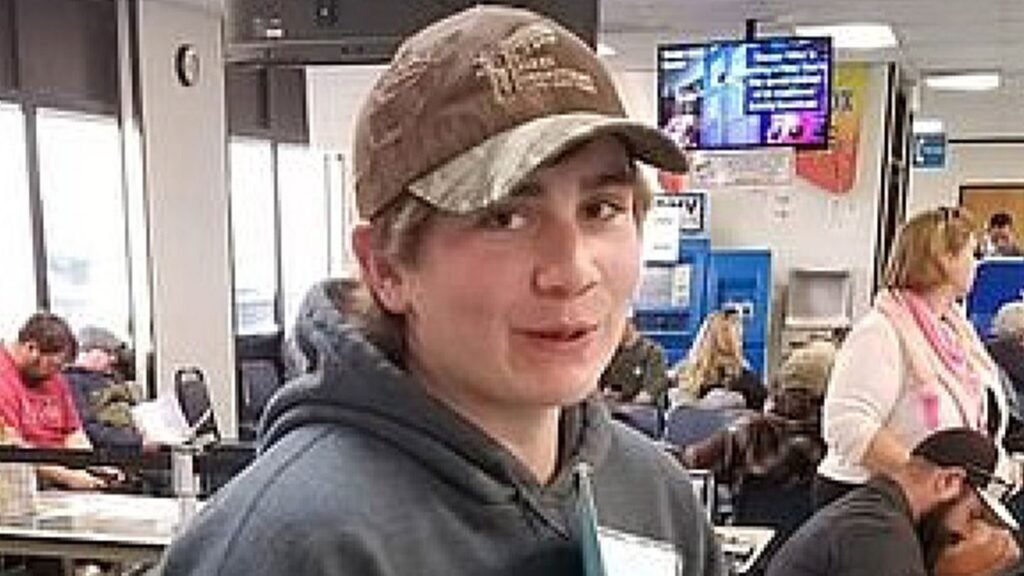
Image labeled as evidence. Source documented in article.
What happened in the Dateline Nevada case involving Bryce Dickey? Bryce Dickey was convicted of first-degree murder in the 2010 killing of Britney Ujlaky, a case that later gained renewed attention through true crime media coverage.
How the Bryce Dickey Case Began in Nevada
The case traces back to 2010 in the Las Vegas area, where Britney Ujlaky was found dead under violent circumstances. Investigators quickly focused on Dickey as a suspect. He was known to the victim, which gave law enforcement a clear line of inquiry early in the investigation. The Clark County District Court system handled the proceedings, drawing significant local media attention. Detectives built their case through forensic evidence and witness testimony. The nature of the crime led prosecutors to pursue first-degree murder charges, indicating they believed the killing was premeditated rather than a spontaneous act. Public records covering this story are gathered in Bryce Dickey Killed, Assaulted Britney Ujlaky in Nevada
| Case Detail | Information |
|---|---|
| Victim | Britney Ujlaky |
| Defendant | Bryce Dickey |
| Year of Crime | 2010 |
| Location | Las Vegas, Nevada |
| Charge | First-degree murder |
The Trial, Evidence, and Conviction of Bryce Dickey
Prosecutors presented forensic evidence linking Dickey to the crime scene during the trial. The case relied on physical evidence rather than a single eyewitness account. Defense attorneys challenged the prosecution’s narrative, but the jury found the evidence compelling. Dickey was ultimately convicted of first-degree murder. The sentencing reflected the severity of the crime, with the court imposing a lengthy prison term. The conviction closed a painful chapter for Ujlaky’s family, who had waited years for a resolution. Legal analysts noted the case demonstrated the effectiveness of methodical forensic investigation in securing convictions even without a confession.
How True Crime Media Revived Interest in the Dickey Case
Years after the conviction, the case found a new audience through true crime programming and podcasts. The Dateline franchise, known for covering complex criminal cases, brought the story to national viewers. This coverage introduced the details to people outside Nevada who had never followed the original trial. The renewed attention sparked discussions about victim safety and the criminal justice process. Online communities dissected the evidence and legal strategies used by both sides. For many viewers, the case became an example of how cold or resolved cases can still hold important lessons about the legal system.
Why the Case Resonates in Nevada and Beyond
The Las Vegas area has seen numerous high-profile criminal cases over the decades. The Dickey case stands out because of the premeditated nature of the crime and the thoroughness of the investigation. Nevada residents followed the proceedings closely, as violent crimes in the region often draw intense local coverage. Beyond the state, the case gained relevance through its inclusion in broader true crime discourse. Advocacy groups have referenced it in discussions about victim protection and sentencing reform. The case remains a reference point for understanding how first-degree murder prosecutions work in Clark County courts.
Frequently Asked Questions
How many years did the Bryce Dickey case take from crime to conviction?
The crime occurred in 2010, and Dickey was convicted after trial proceedings in the Clark County court system. The exact timeline from arrest to final conviction spanned several years, as is common in complex first-degree murder cases involving extensive forensic evidence review.
Who was Britney Ujlaky in relation to Bryce Dickey?
Britney Ujlaky was the victim in the case. Dickey was known to her prior to the crime, which investigators identified as a key factor in building their case. The nature of their prior connection was examined during the trial proceedings.
When did Dateline cover the Bryce Dickey murder case?
The Dateline franchise covered the case as part of its broader true crime programming schedule. The coverage aired years after the original conviction, bringing national attention to a case that had primarily received local Nevada media coverage during the trial.
How does the Dickey case differ from other Nevada murder trials?
The case is notable for its reliance on forensic evidence rather than a confession or single eyewitness. Many murder trials hinge on one type of evidence, but prosecutors in this case built a multi-layered argument using physical evidence, witness testimony, and investigative work.
What is Bryce Dickey best known for in the criminal justice context?
Bryce Dickey is best known for his first-degree murder conviction in the killing of Britney Ujlaky. The case has since become a reference point in true crime media and discussions about forensic investigation methods used in Clark County, Nevada prosecutions.
How Forensic Evidence Shaped the Prosecution’s Strategy
The Dickey case highlighted the growing role of forensic science in modern murder prosecutions. Investigators collected physical evidence from the crime scene and processed it through established laboratory protocols. This approach allowed prosecutors to construct a timeline and establish connections without relying solely on witness recollections, which can be unreliable years after the fact. Legal observers noted that the case reflected a broader trend in Clark County toward evidence-driven prosecution strategies. The methodical collection and presentation of forensic materials helped the jury understand the sequence of events leading to Ujlaky’s death. Defense attempts to challenge the forensic findings were ultimately unsuccessful, reinforcing the weight such evidence carries in contemporary jury trials.
What the Case Reveals About Victim Safety Debates
The Ujlaky murder prompted renewed conversations in Nevada about protective measures for individuals who may be at risk from people in their social circles. Advocacy organizations pointed to the case as an example of how known relationships can turn dangerous without adequate intervention. Community groups used the case in educational outreach, emphasizing the importance of recognizing warning signs and seeking help before situations escalate. The true crime media coverage amplified these discussions, reaching audiences far beyond Nevada. For Ujlaky’s family and supporters, the attention served as a reminder that behind every case file is a person whose life was cut short. The ongoing dialogue around the case continues to inform how communities and law enforcement approach personal safety and violence prevention efforts.