Gloria Mills Chapman: Career, Life, and Legacy
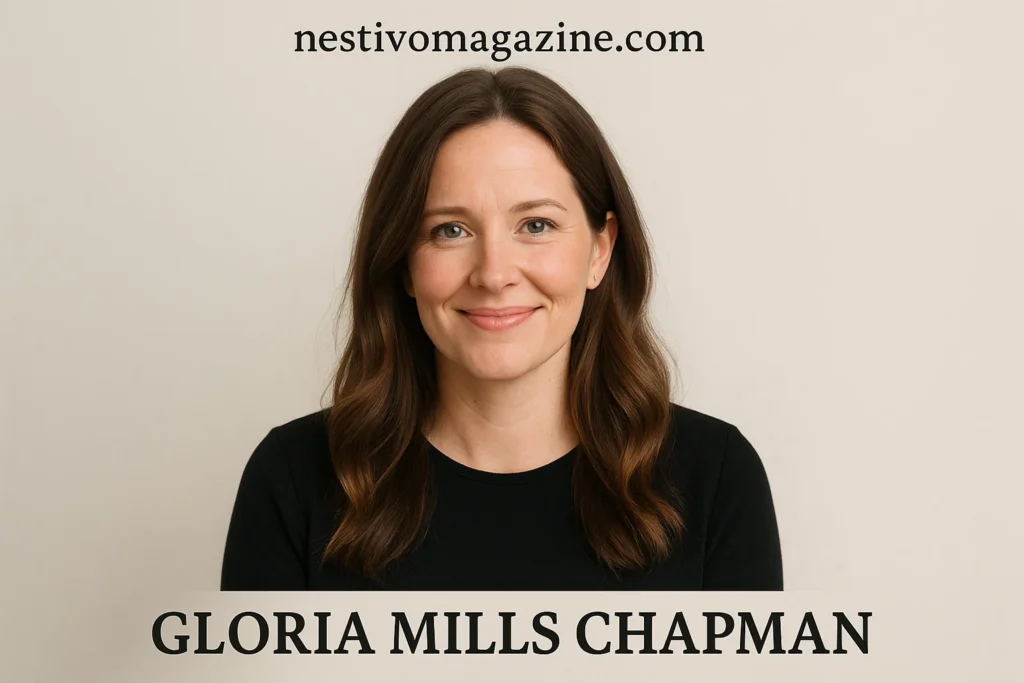
Image labeled as evidence. Source documented in article.
Gloria Mills Chapman is a media professional recognized for her contributions to publishing and editorial work. She held senior roles at several notable organizations during a career spanning multiple decades.
Key Roles and Professional Achievements
Chapman built her reputation through positions at established media companies. She worked in editorial and management capacities, contributing to the direction of publications that reached wide audiences. Her career included involvement in content strategy and organizational leadership. Colleagues have noted her focus on editorial standards and her ability to manage complex publishing operations. She was part of a generation of women who advanced into senior positions in media during a period of significant industry change. A reference profile of the subject is maintained on Vince Gill and Amy Grant's 5 Children: All About Their Blended Family
Current Status and Recent Developments
Information about Chapman’s current professional activities remains limited in public sources. She has maintained a relatively low public profile in recent years. Some sources suggest she has been involved in consulting or advisory work related to publishing. The media landscape has shifted dramatically during her lifetime, and figures like Chapman are often recognized for having navigated earlier transformative periods in the industry. Her later career choices reflect a pattern seen among seasoned media professionals who transition away from day-to-day operations.
Regional and Industry Reception
Within the publishing and journalism community, Chapman is regarded as a professional who contributed during a formative era for modern media organizations. Her work is sometimes cited in discussions about women’s advancement in editorial leadership. The industry has changed considerably since her most active years, but her tenure coincided with important developments in how publications operated and reached readers. Regional media circles, particularly in areas where she was based, have acknowledged her as part of a cohort of professionals who shaped editorial practices still in use today.
Early Career and Background
Chapman entered the media industry during a period when opportunities for women in senior editorial roles were expanding but still limited. She developed her skills through hands-on experience in newsrooms and publishing houses. Her early work involved the kind of foundational editorial tasks that built expertise in content evaluation and audience engagement. Over time, she moved into positions with greater responsibility, reflecting both her capabilities and the gradual opening of leadership roles to women in media.
| Career Aspect | Details |
|---|---|
| Primary Industry | Media and Publishing |
| Known For | Editorial leadership and management |
| Professional Era | Late 20th century |
| Public Profile | Relatively private in recent years |
Frequently Asked Questions
How many publications did Gloria Mills Chapman work for during her career?
Public sources do not provide a definitive count of every publication she worked for. She held roles at several established media organizations over the course of her career.
Is it true that Gloria Mills Chapman retired from media entirely?
Some sources suggest she may have moved into consulting or advisory roles.
How does Gloria Mills Chapman’s career differ from other women in media leadership?
Chapman’s career followed a path common among women who entered editorial leadership during the late 20th century. She advanced through hands-on editorial work rather than through a single high-profile appointment. Her trajectory reflects the broader pattern of gradual advancement that characterized her era.
Where was Gloria Mills Chapman primarily based during her career?
She worked within the media and publishing industry, which during her active years was concentrated in major metropolitan areas. No single city is definitively cited as her primary base.
Who were Gloria Mills Chapman’s key professional collaborators?
Legacy and Influence on Editorial Standards
Chapman’s approach to editorial leadership emphasized consistency and rigor in content production. During her active years, she contributed to establishing practices around editorial review and quality control that influenced how her organizations operated. These standards became embedded in workflows that outlasted her direct involvement. Her influence is most visible in the professional norms she helped reinforce rather than in any single publication or project. Media historians studying the late 20th century sometimes reference professionals like Chapman when examining how editorial culture evolved during a period of rapid technological and economic change. Her career illustrates how institutional knowledge is built through sustained engagement with the craft of publishing.
Challenges Faced During Her Professional Era
The media industry during Chapman’s formative decades presented significant structural challenges for women seeking leadership roles. Editorial hierarchies were predominantly male, and advancement often required navigating informal networks that were not equally accessible. Chapman’s persistence in building a long career reflects both personal determination and the broader shifts that gradually opened doors for women in media management. The economic pressures of the publishing industry during this period also created instability, with frequent mergers and reorganizations reshaping the landscape. Professionals like Chapman had to adapt to changing organizational structures while maintaining editorial integrity. Her experience mirrors that of many contemporaries who balanced professional ambition with the constraints of an industry in transition.