Gymnastics Outfit Men: Styles, Fit, and Competition Rules
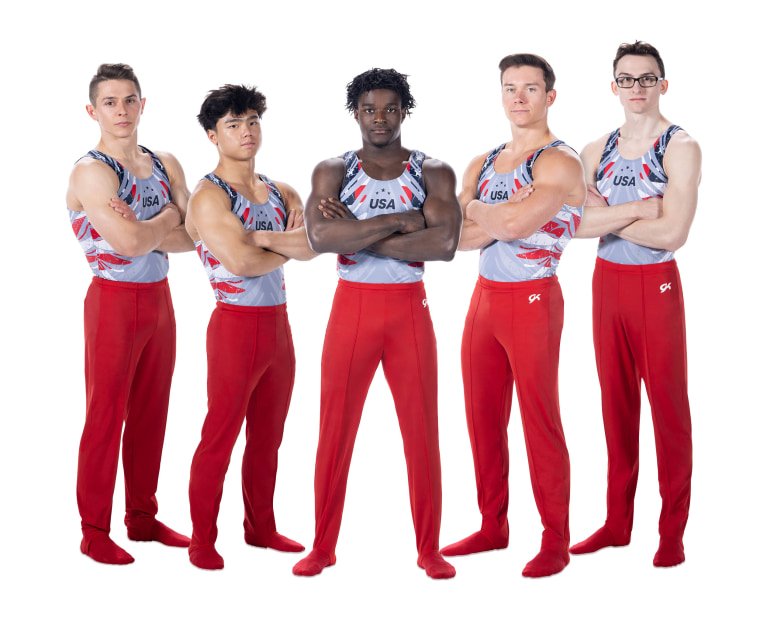
Image labeled as evidence. Source documented in article.
Interest in gymnastics outfit men has grown alongside the sport’s rising visibility at events like the Olympic Games and World Championships. Male gymnasts wear specialized competition attire designed for performance, safety, and compliance with FIG regulations. Readers exploring gymnastics outfit men will also find context in Barbara Weaver: Career, Roles, and Public Record
How Regional Preferences Shape Men’s Gymnastics Attire Choices
Competition attire for male gymnasts varies noticeably across regions. In European competitions, full-length unitards remain common, especially in artistic gymnastics floor and pommel horse events. Japanese gymnasts have historically favored shorter, more fitted shorts paired with fitted tops during national tournaments. In the United States, collegiate gymnasts typically wear sleeveless tops or tank-style shirts with shorts or pants depending on the apparatus. Russian gymnasts have been known to wear longer pants during certain events, a style that gained attention during the 2016 Rio Olympics. These regional differences reflect both federation guidelines and cultural preferences within the sport. Coaches often consult with national federation officials before selecting competition outfits to ensure compliance with local and international standards. wikipedia.org/wiki/Rhythmic_gymnastics” rel=”noopener noreferrer” target=”_blank”>Rhythmic gymnastics
| Region | Common Attire Style | Typical Apparatus |
|---|---|---|
| Europe | Full-length unitards | Floor, pommel horse |
| Japan | Fitted shorts with tops | All apparatus |
| United States | Tank tops with shorts or pants | Collegiate competitions |
What FIG Rules Confirm and What Remains Open to Interpretation
The Fédération Internationale de Gymnastique publishes detailed guidelines on competition attire for all disciplines. According to the FIG Code of Points, men’s competition clothing must be clean, fitted, and non-transparent. Logos and branding are permitted within specific size limits set by the federation. What remains less clear is the degree to which national federations enforce these rules uniformly. The rules do not specify exact colors or patterns, leaving room for personal and national expression. There is ongoing discussion within the gymnastics community about whether attire regulations should be updated to reflect evolving norms around comfort and body diversity among male athletes.
How Men’s Gymnastics Attire Compares to Women’s and Other Sports
Men’s gymnastics outfit men competition gear differs significantly from women’s leotards in both design and regulatory framework. Women’s attire typically involves sleeveless or short-sleeved leotards with varying cut heights, governed by separate FIG guidelines. Men’s options include shorts, pants, and unitards, with fewer restrictions on sleeve length. Compared to track and field singlets, men’s gymnastics attire tends to be more form-fitting to allow judges to assess body alignment during skills. Swimming and diving also use form-fitting competition wear, but those sports prioritize hydrodynamics over the flexibility and grip considerations that matter in gymnastics. The materials used in gymnastics outfits often feature moisture-wicking fabrics similar to those found in cycling and weightlifting apparel. gkelite.com/collections/gk-gym-men” rel=”noopener noreferrer nofollow” target=”_blank”>Gymnastics Men Apparel | GK Elite
Key Designers, Brands, and Athletes Shaping Men’s Competition Wear
Several athletic brands have developed dedicated lines for men’s gymnastics competition wear. GK Elite and Milano Pro-Sport are among the most recognized suppliers at the international level. These companies work directly with national federations to produce custom team outfits for major events. Kohei Uchimura, the Japanese gymnast who won multiple Olympic gold medals, has been associated with custom-designed competition attire that reflected his personal style. American gymnast Sam Mikulak has also been noted for his distinctive competition wardrobe during NCAA and international events. The design process typically involves collaboration between athletes, coaches, and apparel manufacturers to balance regulatory compliance with performance needs. Fabric technology has advanced significantly, with modern competition outfits incorporating compression elements and strategic ventilation zones to support peak athletic performance.
Frequently Asked Questions
How does men’s gymnastics attire differ from women’s competition wear?
Men’s gymnastics outfit men competition gear typically includes shorts, pants, or unitards, while women’s attire consists primarily of leotards. The FIG governs separate guidelines for each, with men’s rules allowing more variety in sleeve length and lower-body coverage. Both must be fitted and non-transparent.
Why do some male gymnasts wear full-length unitards instead of shorts?
Full-length unitards provide additional coverage and can reduce friction on certain apparatus like the still rings and parallel bars. Some gymnasts prefer them for personal comfort or aesthetic reasons. National federations may also influence attire choices based on tradition or sponsorship agreements.
Who are the main suppliers of men’s gymnastics competition outfits?
GK Elite and Milano Pro-Sport are two of the leading suppliers of men’s gymnastics competition attire worldwide. These brands work with national federations and individual athletes to produce custom outfits that meet FIG regulations. Smaller regional manufacturers also serve local and national-level competitions.
What materials are used in men’s gymnastics competition outfits?
Modern men’s gymnastics outfits are typically made from synthetic blends featuring spandex, polyester, and nylon. These fabrics offer stretch, moisture management, and durability. Some competition outfits incorporate compression panels to support muscles during high-intensity routines.
Are there controversies surrounding men’s gymnastics attire regulations?
Some athletes and advocates have called for more flexible attire rules to accommodate body diversity and personal expression. While FIG regulations are generally seen as consistent, enforcement can vary between competitions and federations. There is no widespread formal protest, but discussion continues within the community about modernizing dress codes.